
Heading
Close X
Menu


Driving is more than just getting from A to B — it’s freedom, adventure, and the everyday journeys that shape our lives. But whether you're navigating busy city streets, winding country lanes, or unpredictable British weather, a few smart driving habits can make every trip safer, smoother, and far more enjoyable. Our expert driving tips are here to boost your confidence, protect your car, and keep you in control wherever the road leads.
Click on one of the images below for some of our driving tips.
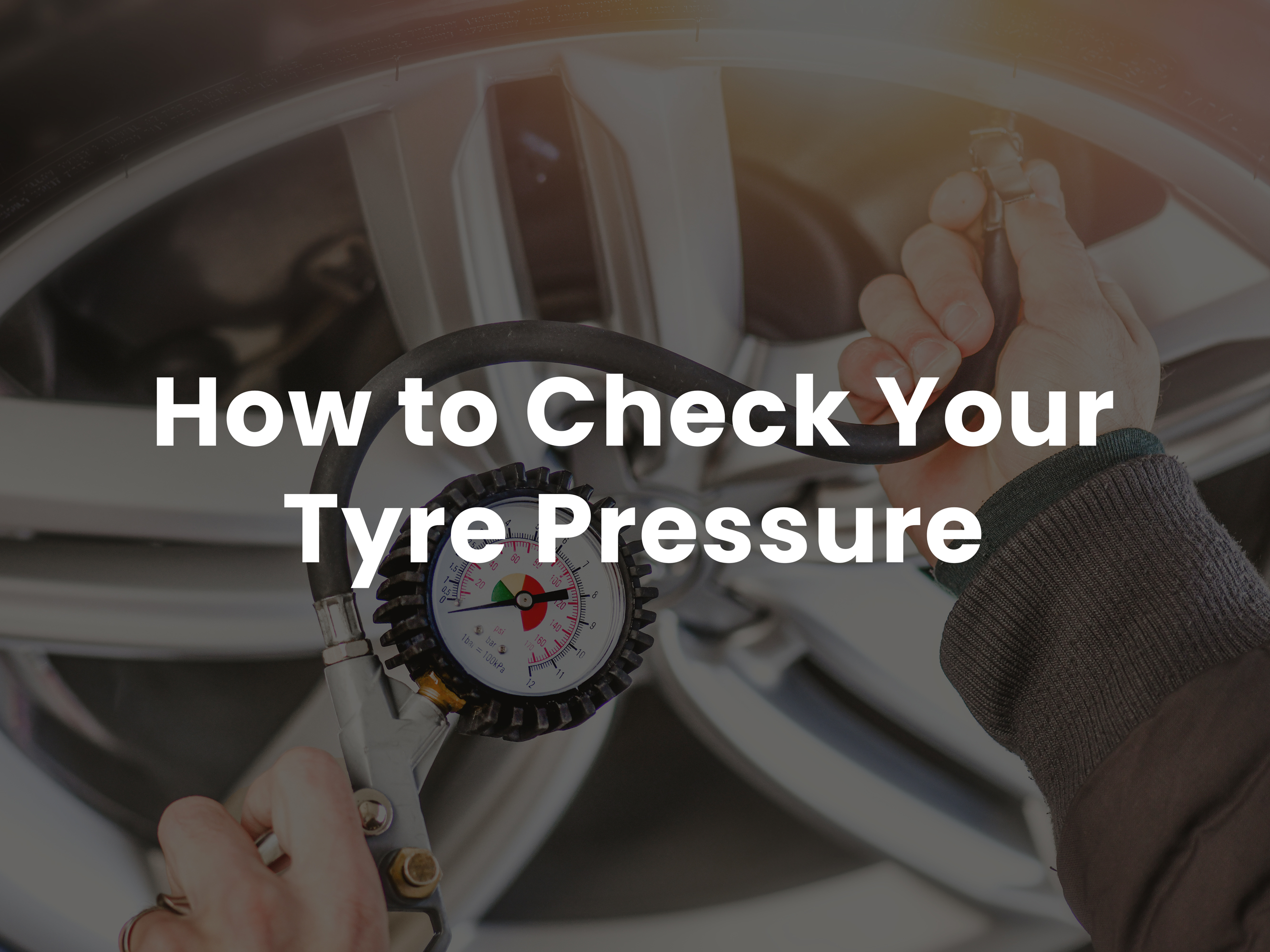
Keeping your tyres inflated to the correct pressure is essential for safety, fuel efficiency and preventing premature or uneven tyre wear. Because tyre pressure naturally drops over time, it’s important to check and top it up regularly.
We recommend checking your tyre pressures at least once a month, when the tyres are cold, and always before long journeys.
Follow these simple steps:
• Find the correct pressure - Check your vehicle handbook, or look for a sticker inside the driver’s door or on the fuel cap. The pressure will be shown in psi or bar.
• Remove the valve cap - Unscrew the small plastic cap on the tyre’s air valve and keep it somewhere safe.
• Attach the pressure gauge - Press the gauge firmly onto the valve. If you hear a hissing sound, air is escaping—press harder to create a good seal.
• Read the pressure - Note the measurement displayed on your gauge.
• Adjust if needed - To inflate, add air until the gauge shows the correct pressure. To deflate, press the pin inside the valve until the pressure reduces to the recommended level.
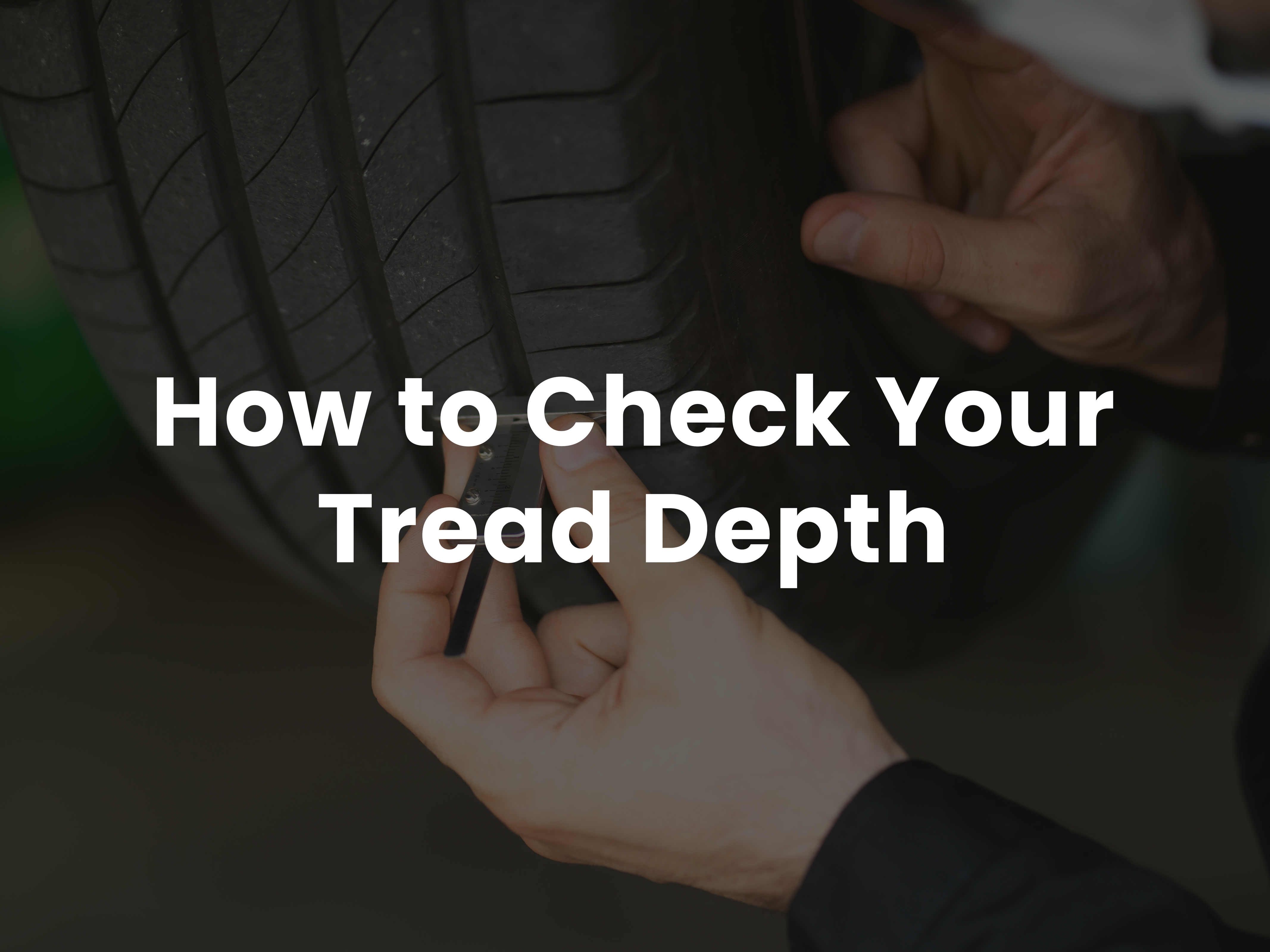
More tread means more grip — it’s as simple as that. Although the legal minimum tread depth is 1.6mm, performance and safety can be significantly reduced once your tyres fall below 3mm. Regular checks help you stay safe and maintain the best possible braking and handling.
Follow Bridgestone’s guidance on how to check your tread:
A tread gauge gives you a quick, accurate reading of your tyre’s tread depth. Simply place the gauge into the main grooves of the tyre and check the measurement displayed.
Premium tyre manufacturers, including Bridgestone, mould Tread Wear Indicators directly into the tyre’s tread pattern. These indicators are:
When the tread wears down to the same level as these raised bars, the tyre has reached the legal limit of 1.6mm and must be replaced immediately.
Caring for the environment has never been more important, and small changes to the way you drive can make a big difference. By adopting a few simple habits, you can reduce your vehicle’s environmental impact — and save money at the same time.
Choosing a more efficient vehicle can significantly reduce running costs. When it comes to tyres, look for Bridgestone products marked ECOPIA — designed with low rolling resistance to improve fuel economy and lower CO₂ emissions.
Taking the most efficient route helps you save time and fuel. Avoid heavy congestion where possible and use route‑planning tools to optimise your journey.
Correctly inflated tyres reduce rolling resistance, improve fuel efficiency and offer better grip — making them both greener and safer. Be sure to check your pressures frequently using Bridgestone’s tyre pressure guidance.
Heavier vehicles require more energy to move. Clear out any items you don’t need and remove roof racks or carriers when not in use to help cut fuel consumption.
Modern engines don’t require warming up before driving, except in extremely cold conditions. Setting off gently is usually the most efficient approach.
Air conditioning increases fuel use, so try to use it only when needed. At lower speeds, opening the windows is often the more efficient option.
Gentle acceleration and consistent speeds help reduce fuel consumption. Sudden or heavy acceleration also increases wear on tyres and brakes.
Taking your foot off the accelerator early to slow down uses the engine’s natural braking power and stops fuel being supplied — improving efficiency by around 2%.
Idling burns fuel unnecessarily. Just ten minutes of idling (in neutral, with the AC off) can waste around 130cc of fuel, so switch off the engine when safe to do so.
While some emissions are unavoidable, you can still help reduce your environmental impact by supporting carbon‑offset projects.
Your tyres are essential for safe driving — they’re the only connection between your vehicle and the road. In fact, the total contact area is no bigger than the palm of your hand, making their condition absolutely critical.
Your tyres play a key role in keeping you safe and your vehicle performing as it should. They are designed to:
Looking after your tyres is one of the simplest ways to stay safe on the road. For more tips and advice, visit Bridgestone’s Tyre Safety website at www.tyresafety.eu, or pop in and speak to our team — we’re always happy to help.
Your tyres are the only connection between your vehicle and the road — a small contact patch about the size of your palm. This tiny area provides the grip needed for braking and the control required for steering, both of which are essential for stopping safely in an emergency. The distance it takes you to stop can quite literally be the difference between life and death.
A brand‑new tyre typically has 7–8mm of tread. While the legal minimum tread depth is 1.6mm across the central three‑quarters of the tyre, research shows performance drops long before that. Many road‑safety experts recommend replacing tyres at 3mm to maintain safe braking and handling.*
As tread depth reduces, your stopping distance gets longer. Incorrect tyre pressures also add to stopping distances because the tyre can’t grip the road surface effectively. Always ensure your tyres are safe, legal, and correctly inflated.
Leaving enough space between you and the vehicle ahead gives you time to react if it slows down or stops suddenly. Stopping distance increases dramatically with speed, and it’s affected by:
The table below (if displayed on your webpage) shows how stopping distances increase as your speed rises.
Stopping distances are general guidelines only. Actual stopping distances will vary depending on your attention, the condition of the road, weather conditions, and the state of your tyres and vehicle.
Average car length: approximately 4 metres.**
* RoSPA
** Direct.gov
Our weather can be unpredictable at the best of times — and recent years have shown that winters are becoming increasingly harsh. To keep yourself safe on the road during cold, wet and icy conditions, follow these essential winter driving tips:
Carry extra essentials in case of an unexpected breakdown, including:
Before setting off:
Good tyres are vital in winter.
Always:
Driving too fast for the conditions is a major cause of winter accidents.
If you must drive through standing water:
Skids happen when:
If you start to skid:
Smooth, steady control is key:
Fog can leave roads damp, slippery or icy even when temperatures seem mild. Always reduce speed, increase space, and use lights appropriately.